🌊 riprap-nyc

NYC flood briefings where every claim cites a public record.

riprap-nyc

A multi-agent civic-AI system that produces flood-exposure briefings for NYC neighborhoods, where every factual claim cites a public-record source. IBM Granite 4.1 does the reasoning, NASA/IBM Prithvi-EO and TerraMind supply satellite-derived exposure features, and a Mellea-coordinated agent graph pulls from FEMA flood maps, NYC DEP infrastructure data, and historical event records. Built for AMD MI300X, designed so a community board member or local journalist can trace any line in the briefing back to the document it came from.

⚡ xk6-llm

A load test for LLM servers. Reports the numbers that actually matter for serving.

xk6-llm demo

Drives any OpenAI-compatible endpoint (vLLM, TGI, llama.cpp, hosted APIs) under realistic concurrency and reports the metrics that matter for serving: time-to-first-token, inter-token latency, tokens per output token, goodput under SLO, plus per-request cost and energy. Results land in Prometheus and Grafana for live dashboards.

🧭 ariadne-nyc

Ask NYC how to get somewhere accessible. Everything runs in your browser, nothing leaves the page.

ariadne-nyc routing to cooling centers in Flushing

Type a question in plain English (“cooling centers in Flushing”, “Penn Station to Grand Central, wheelchair”, or the same in Spanish). A 1B-parameter LLM running on WebGPU picks one of three routing tools and dispatches it against locally-loaded OSM walk graphs and MTA accessibility data. Wheelchair queries filter to ADA-accessible stations with elevators-out-today removed (the only network call after assets load). Model, routing, geocoder: all in-browser.

🔐 amanat

Data governance agent for humanitarian NGOs. Nothing sensitive moves without a human approving it.

amanat

Beneficiary data sits in a tangle of federated systems, and a careless query can put real people at risk. amanat handles credentials through Auth0 Token Vault, requires human-in-the-loop approval for sensitive access via CIBA, and reasons over case records on-prem with IBM Granite 4. The name (Arabic: أمانة) means a sacred trust, something held in stewardship for someone else.

🔮 kassandra

Mention it on a GitLab merge request and it load-tests your code. Posts the verdict back as a comment.

kassandra performance report posted to a GitLab MR

Mention @ai-kassandra-performance-test on a GitLab MR. The agent reads the diff to find new or changed endpoints, retrieves relevant schemas via OpenAPI GraphRAG (~95% input token reduction), scans for performance anti-patterns (N+1 queries, unbounded SELECTs, missing pagination), generates a k6 script with per-endpoint SLO thresholds, runs it against the live app, and posts a performance report with Mermaid charts as an MR comment. One AGENTS.md config per project, no CI YAML changes. Built on the GitLab Duo Workflow Platform for the GitLab AI Hackathon 2026.

🌊 Our Era

Emergency routing for Brownsville, Brooklyn, built for a warming climate.

Our Era

Best Community Communication Tool, LEAP “Urban Futures” Climate Hackathon (Jan 2026, AMNH)

Built with Team Megalodons at the American Museum of Natural History, Our Era is a climate-aware emergency routing tool for Brownsville, Brooklyn. The project addresses how climate change impacts emergency response in vulnerable neighborhoods.

🛡️ Youth Safety & Design Standard (YSDS)

Why youth online-safety laws keep failing. A federal framework, backed by 146 bills and 67,921 sessions of evidence.

YSDS

First Place winner of the Internet Policy Challenge at MIT’s 8th Annual Policy Hackathon, developed with Matthew Greer-Gentis and Christina Qiu for the Integrity Institute.

Our approach:

  • Deployed AI to classify 146 state bills and congressional testimonies into quantifiable policy mechanisms
  • Analyzed 67,921 real-world youth online sessions to establish threat patterns
  • Built an interactive dashboard making legislative data publicly accessible
  • Revealed why laws fail: California’s content-based approach was blocked by courts, while Connecticut’s design-focused bill survived. We mapped this pattern across the entire legislative landscape

Why it matters: 186,800 child enticement reports were filed in 2023 (300% increase since 2021). Roblox CEO admitted “any anonymous adult could talk to any anonymous minor” for 18 years. Only 4 of 146 state bills passed, and half were immediately blocked by courts.

Our solution: The Youth Safety & Design Standard (YSDS), a federal framework with design-based duties, protective defaults, and mandatory transparency addressing documented harms.

🌐 DreamMeridian

Offline AI for places without internet. Runs on a Raspberry Pi in refugee camps and disaster zones.

DreamMeridian

2nd Place, ARM AI Developer Challenge (1,600+ participants)

DreamMeridian runs AI-powered geospatial queries entirely offline on a Raspberry Pi, designed for refugee camps and disaster zones where connectivity is unreliable. The system enables spatial intelligence without relying on cloud infrastructure, making geospatial analysis accessible in the most resource-constrained environments.

Featured in NYU Tandon Engineering: “Meet Adam Munawar Rahman: Leveraging AI for Humanitarian Use”.

🖥️ xk6-tn3270 & Mainframe Tooling

Modern load testing for mainframe terminals.

z/OS load testing

A suite of open-source tools for mainframe modernization, including:

  • xk6-tn3270: Grafana k6 extension for load testing 3270 mainframe terminals
  • k6port: Grafana k6 load testing tool ported natively to z/OS

These tools bridge the gap between modern DevOps practices and legacy mainframe infrastructure, enabling teams to apply contemporary performance testing methodologies to z/OS environments.

🗺️ AskStreets

Ask a city's streets questions in plain English. Get answers back as maps.

2nd Place, ArangoDB & NVIDIA “Building the Next-Gen Agentic App with GraphRAG” Hackathon

AskStreets transforms urban planning through conversational AI. The agentic app extracts OpenStreetMap data into ArangoDB graph structures, then employs a LangGraph ReAct agent to interpret natural language queries and execute GPU-accelerated graph algorithms. This enables non-technical users to analyze infrastructure, optimize service placement, and evaluate transportation networks.

AskStreets screenshot

🔥 HeatTweets

NYC's first public dataset of fire incidents. Scraped, geocoded, mapped.

The first public dataset of fire incidents in NYC, scraped, geocoded, and visualized. Presented at NYC Open Data Week’s “Can Data Start a Movement?” Hackathon in March 2020.

HeatTweets screenshot

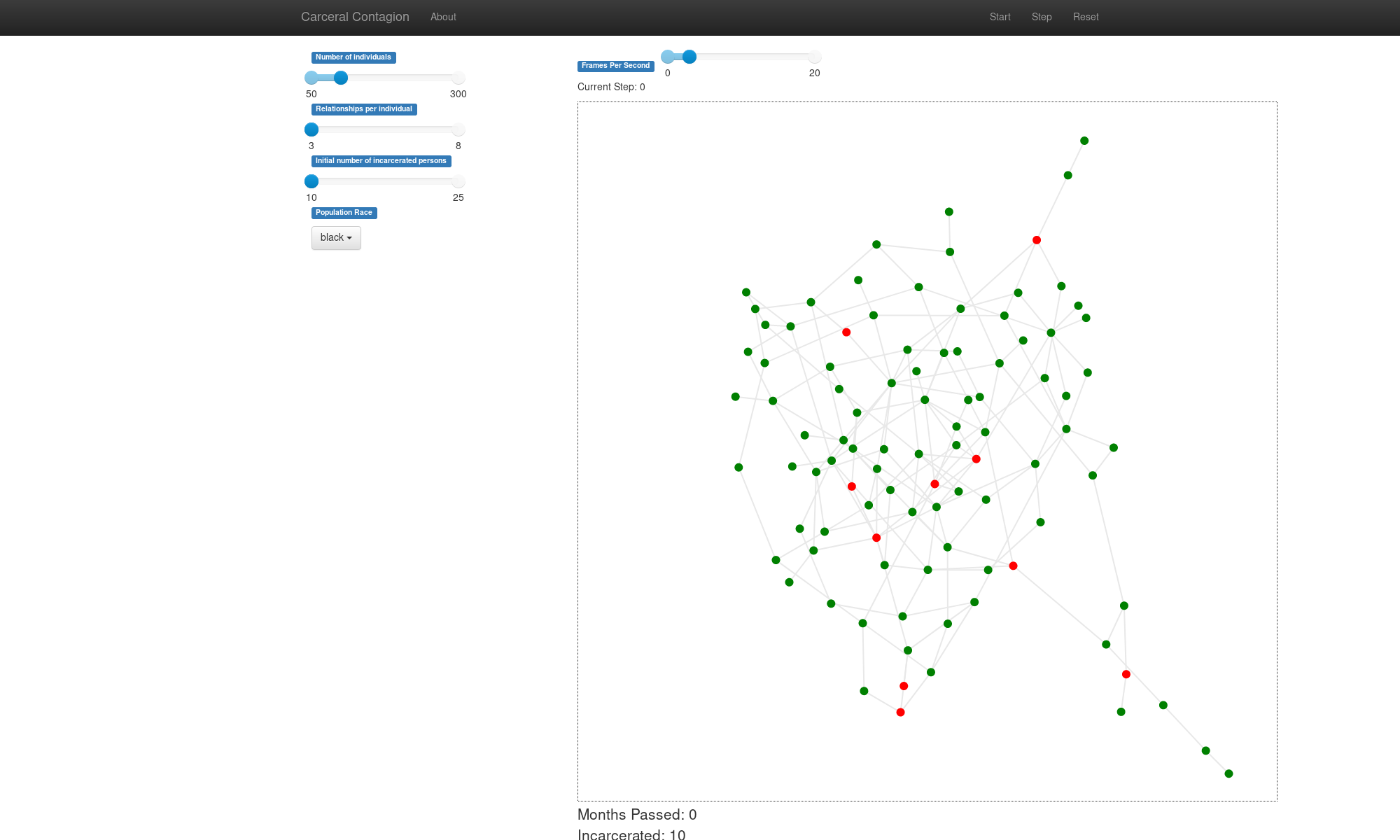
🔬 Carceral Contagion

What if mass incarceration spread like a disease? A simulation across a synthetic population.

An epidemiological simulation of mass incarceration with a synthetic population network. Developed from initial research called Jails by Java, winner of the MIT INSPIRE Political Science award (Dec. 2015) and Social Good Award + 2nd Place Crowd Favorite at Wellesley Hacks 2017.

Carceral Contagion screenshot

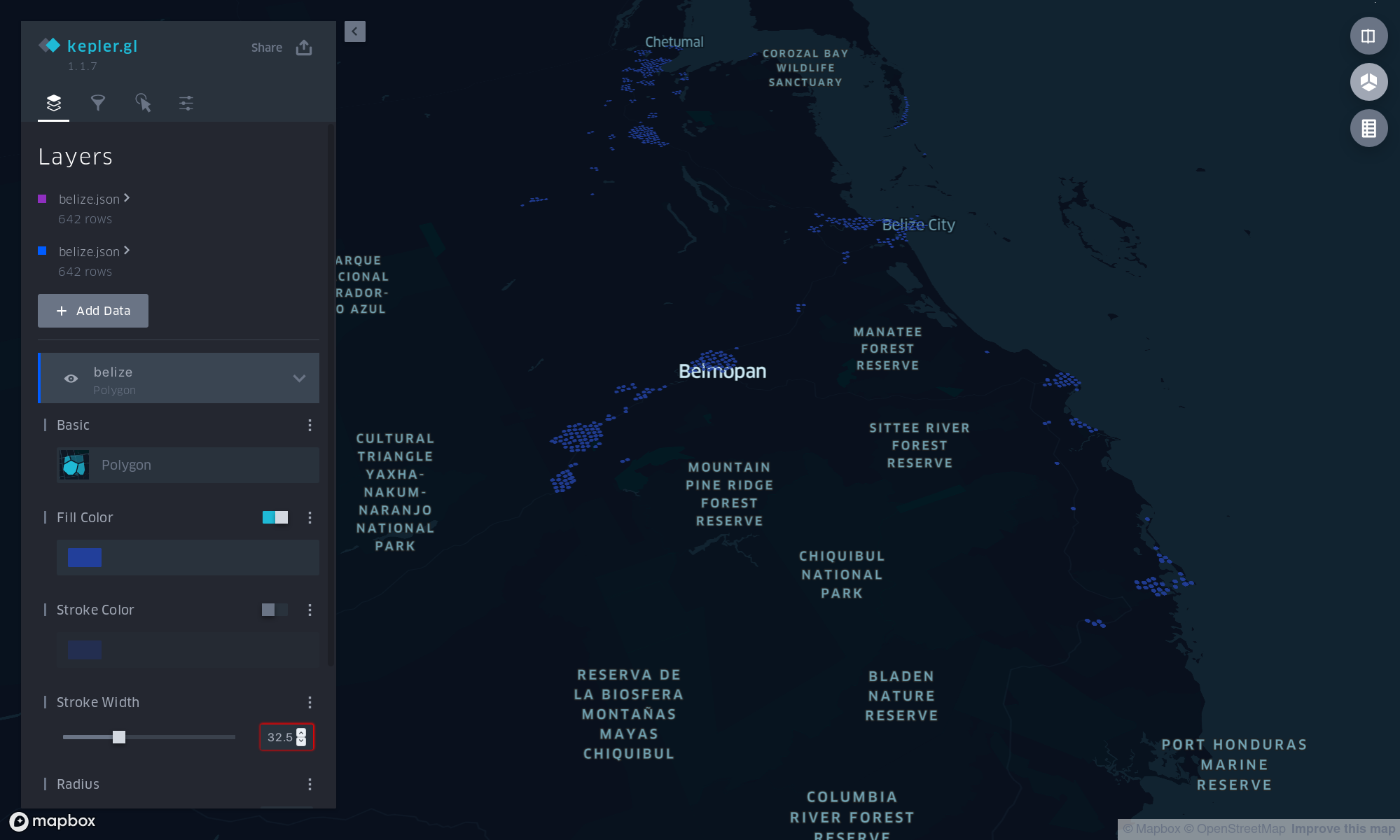
📍 Geospatial Routing API

Routing math on road networks, built at scale. From my time at UNICEF MagicBox.

Utilities for developers and data scientists to perform geospatial calculations on large datasets based on road networks. Built during my work with UNICEF’s MagicBox initiative.

Geospatial Routing API screenshot

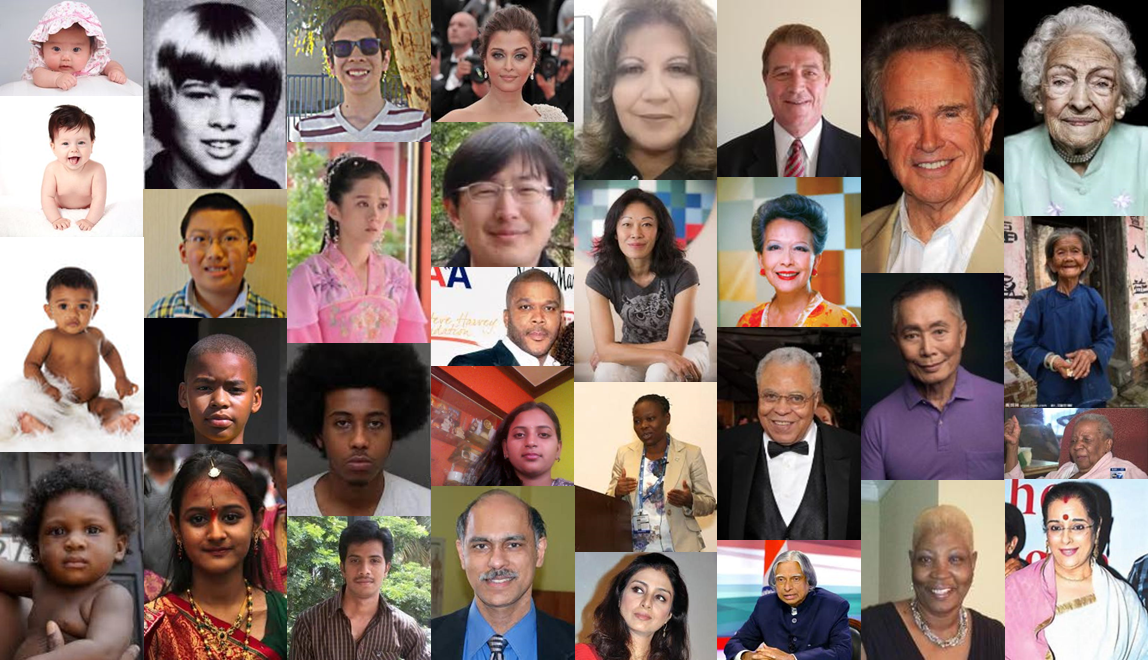
⚖️ Race, Faces, Fairness

Auditing commercial face-recognition systems for race and gender bias.

Evaluated two commercial gender classification systems (Amazon Rekognition and Sightengine) against the large-scale UTKFace Dataset to ascertain intersectional gender and race disparities. Results show both systems exhibit bias towards non-white female faces, assigning disproportionately higher male confidence values.

Inspired by the Algorithmic Justice League’s work and my research on racial disparities in criminal justice.

UTKFace samples

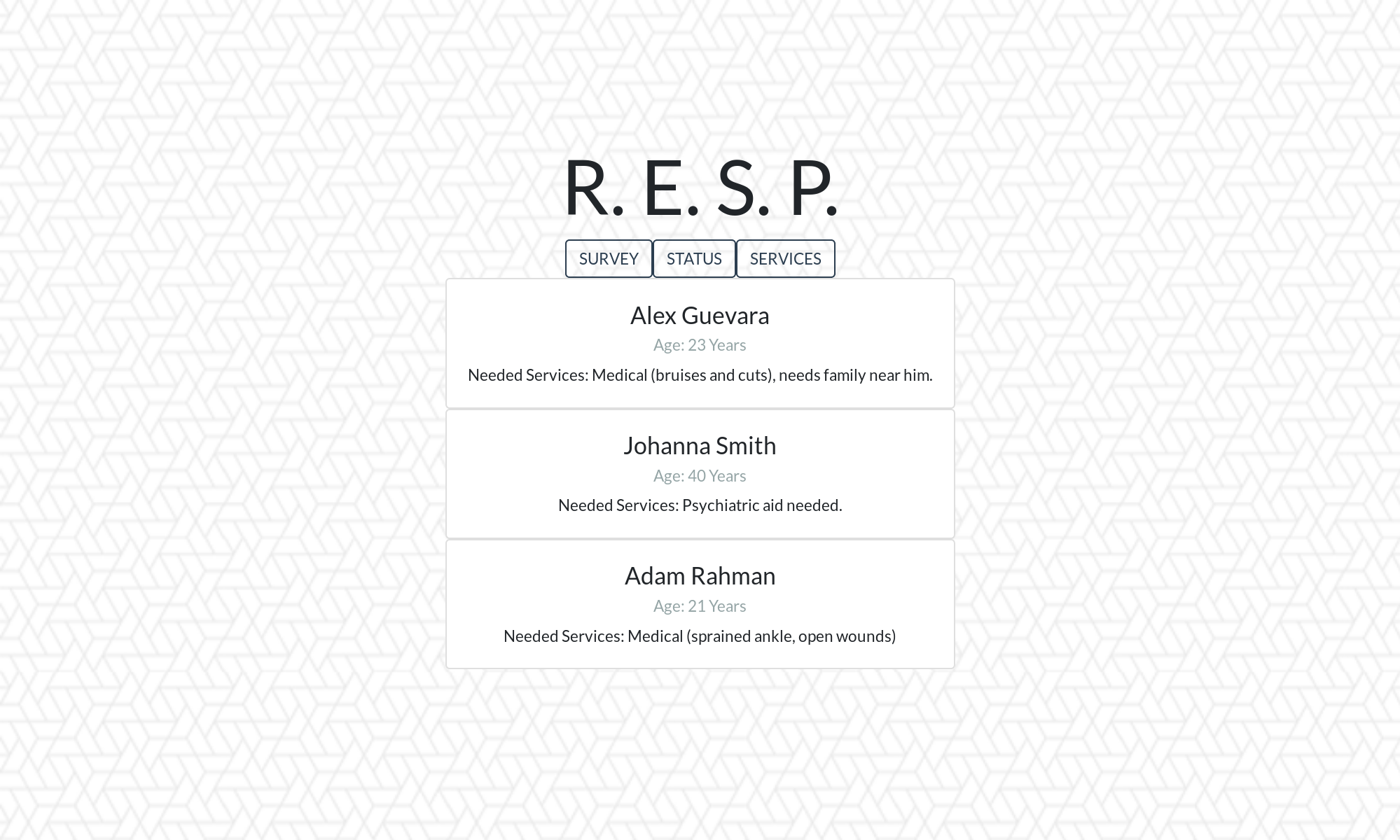
🚨 R.E.S.P.

Psychological first-aid in a pocket. Built for first responders.

App for first-responders to provide psychological first-aid. Winner of IBM Call for Code @ AngelHack 2019.

R.E.S.P. screenshot